Why Facebook Leads Don't Close and How We Fix It

Table of Contents
Most service companies will tell you Facebook leads suck. Some of ours cost about $7.
My mentor Jonathan Pototschnik built Service Autopilot and runs CitiTurf, and he’d put Facebook ads in CitiTurf’s plans for the year ahead. So when I was in town, he sat me down and asked how we do it. Most people who say Facebook leads don’t work don’t have the back end set up right. What happens after the form comes in is where it falls apart.
We also got into the one constraint I worked on all year after paying $130,000 to sit down with Alex Hormozi, and how we pay for growth.
This video is part of PCO Tips. For the ad side (objectives, creative and copy), read how we generate leads with Facebook advertising.
Facebook Leads Aren’t Google Leads
Someone on Google or clicking a Local Services Ad is at the bottom of the funnel. “High intent simply means I got a problem, I need a solution right now,” Jonathan said. Facebook is the top. “Mary’s scrolling in the morning. Her kids are in the kitchen playing with the dog before school. She’s drinking her coffee,” he said. Then a pest control ad shows up. That’s an interruption.
She wasn’t looking for you. She filled out the form on impulse, with her phone in her hand, and you have two, three, five minutes at most. Where I see it fall apart is owners out in the field all day who answer their leads that night, then say the ads are garbage. “If you don’t get with her right now, you probably lose that lead,” Jonathan said.
So expect a different close rate. A Google lead might cost $150 against $7 on Facebook, but you’ll probably close 70% or more. Our Facebook leads run about $7 to $40, and you close 10 to 20% with a lot more effort. Close 20% and you’re in a good spot. High 20s to 30% is crushing it.
A cheap lead isn’t a cheap customer, though. Jonathan counts his salesperson’s time on the phone in his CAC. “That’s where it gets expensive,” he said. When we counted everything, sales commissions included, Meta came to about $150 per customer for us in October 2026, more than Google PPC or Local Services Ads. Here are all of our channel numbers.
So if you’re still the one in the truck doing every job, I probably wouldn’t start with Facebook. Google leads are high intent, and you can answer that call from the field. Once you have two, three, four techs and someone who can stay on top of every lead, then I’d start with Facebook.
Add Friction to the Form
When you spend enough with Facebook, they give you a rep. I asked ours whether it matters if you send people to a landing page or a Facebook form. They said it doesn’t change conversion, though I doubt they want anyone leaving their platform. We’ve tested both, and the Facebook form has done much better for us.
But I don’t make it effortless. Out of the box, one tap fills in all of someone’s information. Zero friction, no skin in the game. So I add some.
- No auto-fill. I turn it off, so they have to type their information in.
- A code. Facebook added a step where they get a code texted to their phone and enter it in the form. That screens out fake numbers.
- One question. A drop list, like mosquitoes, stinging insects or other.
It sounds like a lot, but it takes about 20 seconds. We get fewer leads and way better ones, which matters because on Facebook my sales team is one of the most expensive parts of the total CAC. And when the lead comes in, we start right there. “Hey, I see you’re having an issue with this thing.”
Call Fast, Then Know When to Stop
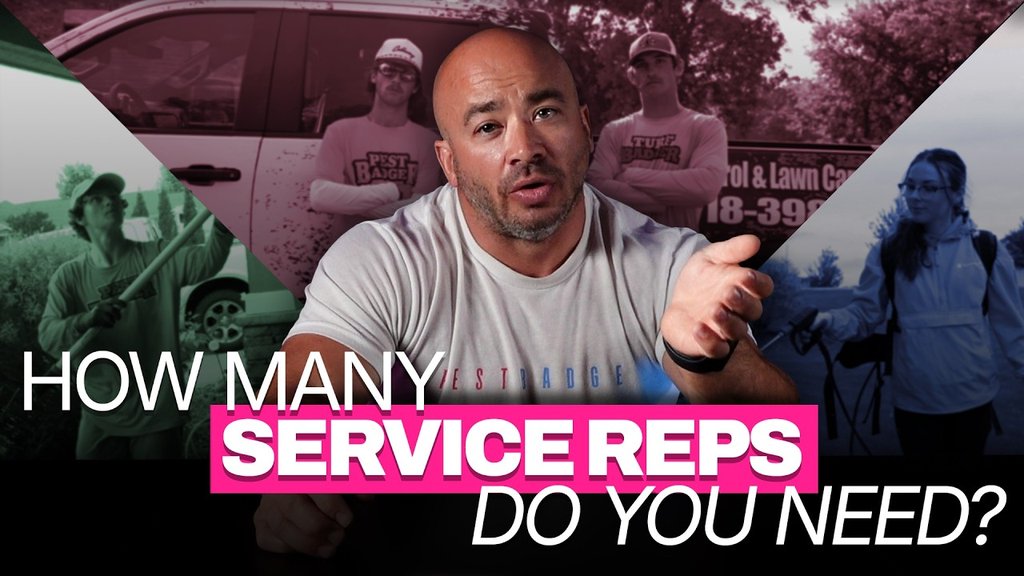
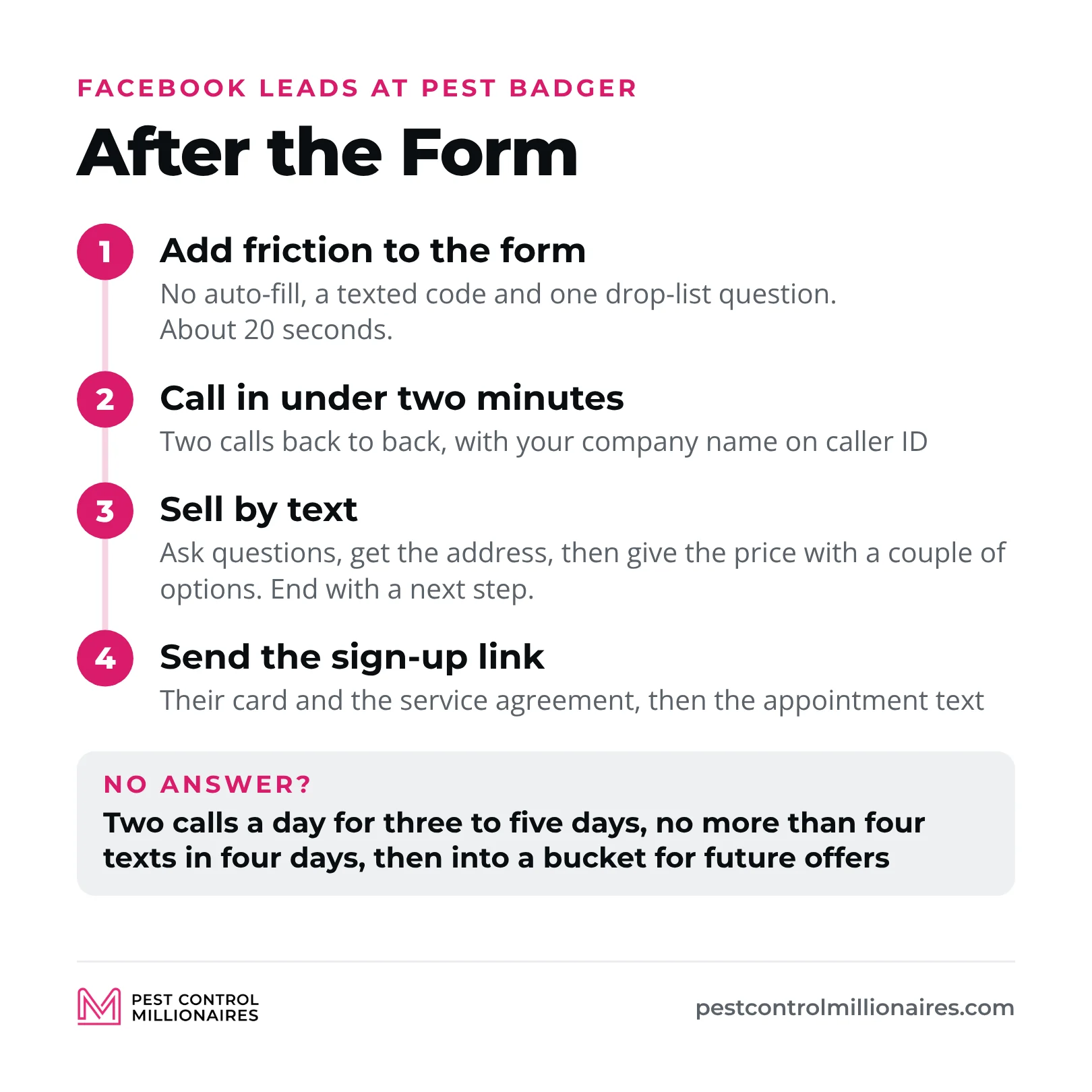
We call every lead twice, back to back, right away. We watch speed to lead on our platform, and I want to see under two minutes all the time. If you’re getting 10 or 15 leads a day in a market, a person whose only job is responding to them is worth the money.
Even then, if you’re lucky, 20% will answer. When I asked the three of us whether we’d answer a random number on our personal phones, not one of us said yes. So set your outbound caller ID to show your company name, and they’ll at least know who’s calling.
If they don’t answer, we call twice the next day and twice the day after, for the first three to five days. By then we usually know it isn’t a great lead. We never send more than four texts over four days, because you don’t want to get marked as spam. Then they move into a different bucket, and we market to them later with a Fourth of July or spring offer. Get 10 leads, close one or two, and that’s okay with me.
Most of Our Facebook Sales Close by Text
On the phone, it’s a pretty simple sale. But people are at work, and they can still text. I’d guess about 80% of the Facebook leads we close, we close by text, partly because more of them end up there. It takes longer, maybe an hour or a couple of hours while they text between breaks, but it works.
I’ve tried videos, Loom videos and links to an estimate. Each one is another step or takes them somewhere else, so we stopped. The more effort I put into making it better, the worse it got. Solve their problem, get their information and close the deal.
About 60% of the conversation is me asking questions. What are you dealing with? How often are you seeing them? Questions like how long you’ve been dealing with it and who you’ve used before make them feel the pain they’re in. When they ask for a price, and they will, I don’t just throw out a number. “Great. Love to give you a price. What’s the address?” Then I give the price as a number, right in the text, with a couple of options.
“I have to talk to my spouse” is usually a smoke screen. It’s most often the wife reaching out, and she doesn’t need her husband’s OK to spend $150. Find the real issue. Is it price? Does she need to see reviews? We keep pre-written answers to the common objections. If I still can’t solve it, I set the next step. “Not a problem. I’ll let you ask your husband. What time should I call you tomorrow?” If she says 10, I set a reminder and call at 10. Most people never follow up like that.
Never end a text with a statement, or they have nothing to respond to. Which works better, Monday or Thursday? Once they say yes, they get a link to sign up with their card and sign the service agreement, a few questions like the gate code, then a text with the appointment and who’s coming. Every message is a template, so everyone talks the way I would, whether the lead came from Facebook or Google. “Two words. Fast and simple,” Jonathan said.
Make 100 Ads in an Afternoon
Every market is different, so you test. Jonathan calls the winner the control. Change one thing, like your shirt or 48 hours to 24 in the copy, and test it against the control. “When you find the new winner, that’s the control, then you just iterate,” he said. When a winner starts to die off, shoot the same ad in a different shirt with a different background. It usually works the second time too.
I recorded 100 video ads in four hours, not counting the editing, by recording a bunch of hooks, bodies and calls to action and mixing and matching them into ads of 12 to 30 seconds. Five of those crushed. We also had AI make 50 still images around the same offer. The one crushing everything, at about $7 a lead, is a red one AI made, and red isn’t even our brand color.
- Test at $50 to $100 a day. Within about three days, you’ll know.
- Run at least 12 ads in every market. In a market of 100,000 people or less, one or two ads get shown to everyone within about five days and shut right off.
- Test offers city by city. When one works, open it up to every city, then run the same offer on Google.
- Put your speed in the copy. We try to be at a new customer’s house within 24 to 48 hours.
Instagram didn’t work for our service business, so we shut it off. Our target is women 35 to 60 who make the decisions at home, and they’re mostly on Facebook. For targeting and testing setups, see Jake’s Facebook ads guide.
The One Constraint We Worked on All Year
When we recorded this, our goal was $50 million in three years. Alex Hormozi has you find one constraint, the one big lever that changes everything else, and work on it for a full year. Ours was door-to-door, moving away from it toward growing with marketing.
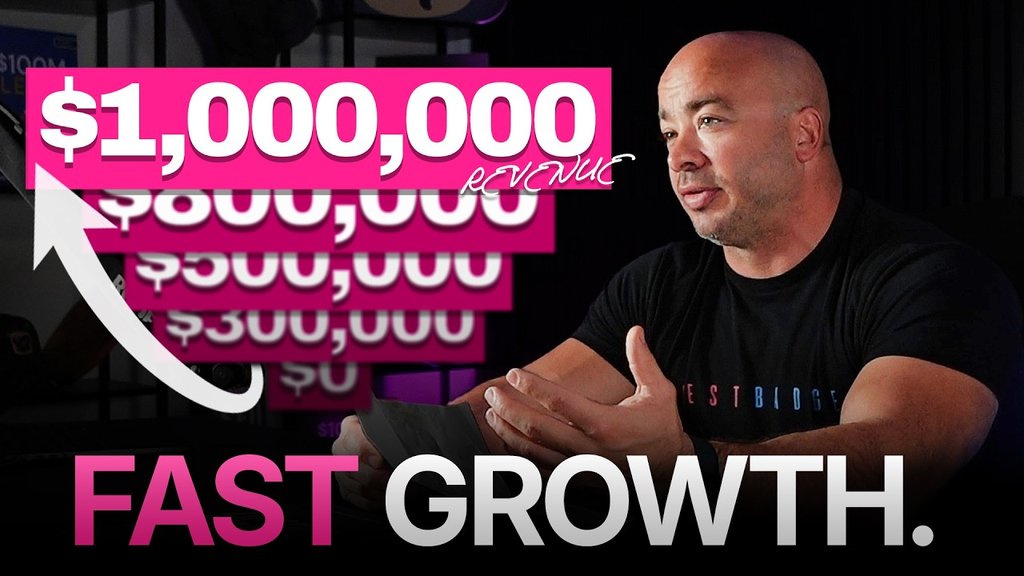
Door-to-door is still how we spin up a market fast. Zero to about $700,000 is tough. At $700,000 to $850,000, you’re in a really good spot, and at 40% margins an $800,000 business can support a real operations person, like a branch manager. I want to get through that black hole as fast as possible, and if we can get to a million in year one, I’ll do whatever it takes. Jonathan would shift it to marketing after that, and I agree.
Our biggest channels were door-to-door, referrals, Google and Facebook, and I think Facebook will pass door-to-door. With 20 markets, we could spend half a million to a million dollars a year on it, so we spent the year making sure all of it is dialed in before we pour fuel on that fire. It’s also a hedge. If AI tools change how people find companies on Google and our calls drop, we can move the budget to Facebook.
Most people would call spending $130,000 a terrible idea. But Facebook ads are what Alex does for a living, and that $130,000 can make me a million dollars within a year. Jonathan calls it buying the answer. A coaching group is a great place to be up to your first couple million. After that, find your biggest bottleneck and buy the answer from someone who already solved it. “Next you’ll have a different problem. Who is the master at that?” he said.
Get Your CAC Back in 30 Days
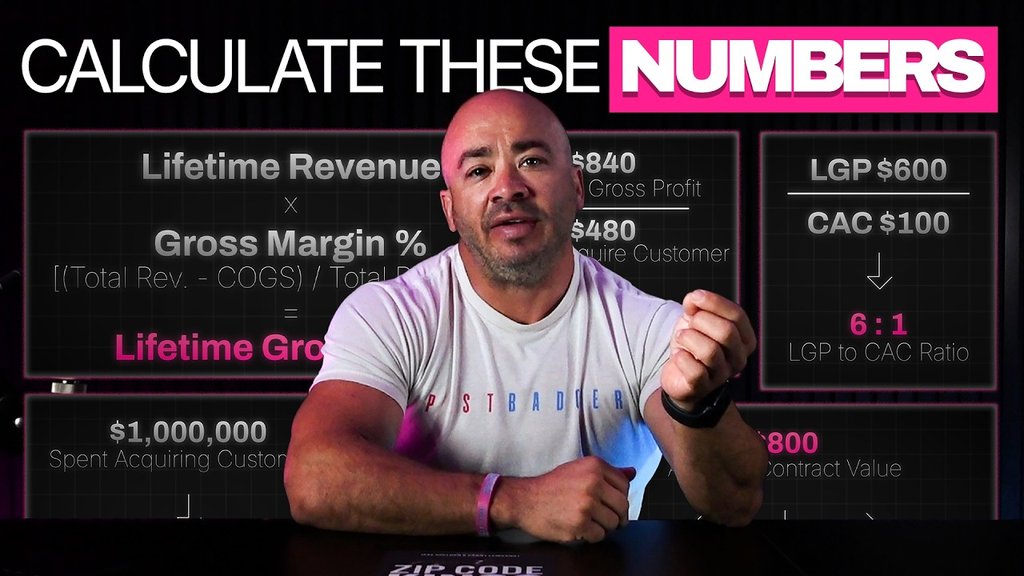
Jonathan asked how we pay for growing this fast. My goal is two times CAC plus the cost of the first service back within the first 30 days. That pays back the first customer and buys the next one.
Say your CAC is $100. Two times CAC is $200, and the first service costs about $30 to do, so you need about $230. An initial over $299 covers it. Or do a $150 initial and come back in 21 to 30 days for a $150 follow-up. It’s the rule in our customer acquisition cost guide, plus the cost of the first service.
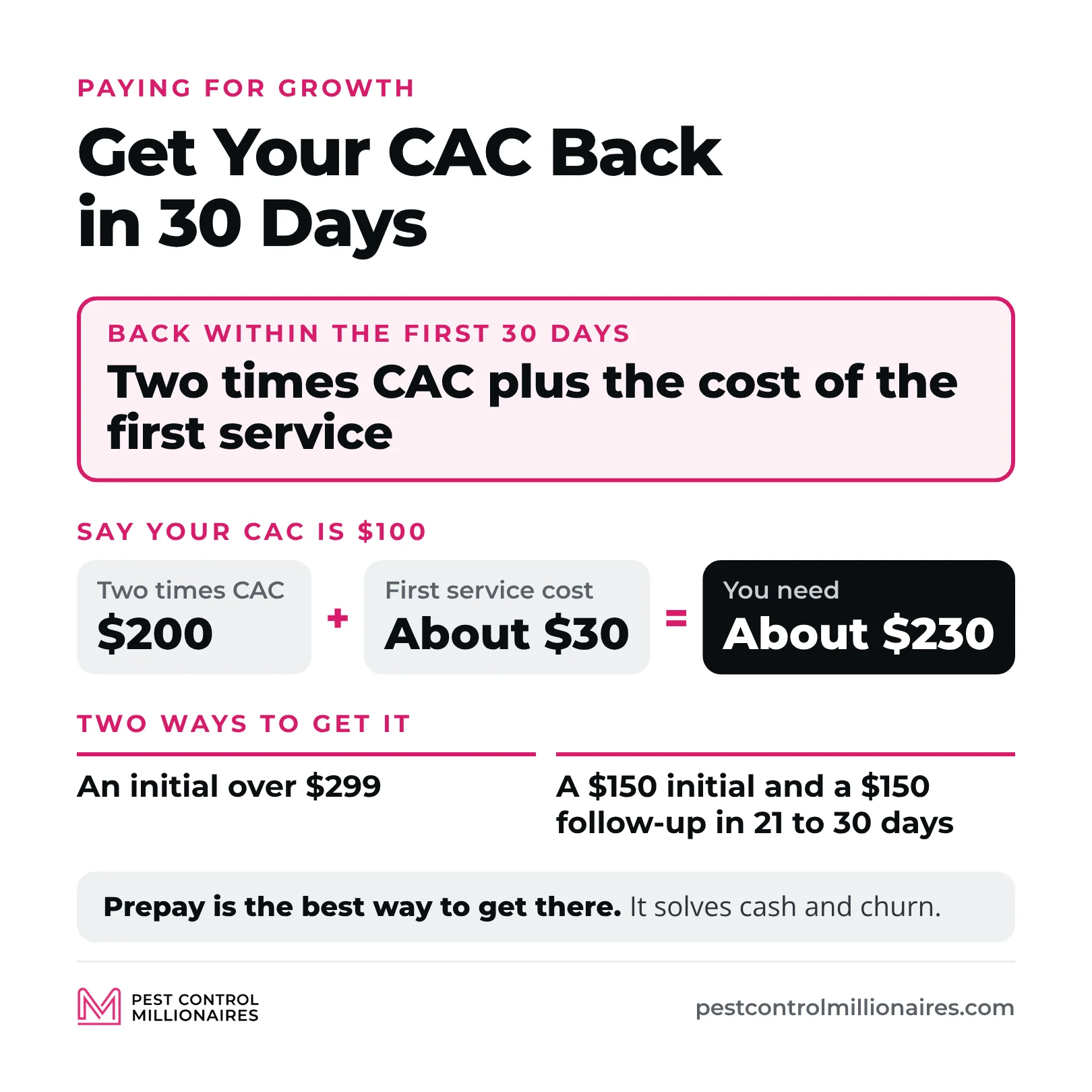
Prepay is the best way to get there. We pay our team more to sell prepays, because cash can be the constraint on growth, and prepay solves churn too. Data from Alex’s team showed monthly billing churning the most, quarterly next and prepay the least, so we push prepay and moved back to quarterly billing. The numbers are in my breakdown with Joey Mantione.
Jonathan isn’t sold on prepay. At CitiTurf they moved off annual contracts, where a $3,000 number turns into a family conversation, to “it’s just 40 bucks. We’ll charge your credit card after it’s done. You can cancel tomorrow if you don’t like it.” And the initial is a trade-off. “If your initial suppresses sign-up, then you’ve lost the thing you care about the most, but it also pays for CAC,” he said. My counter is the door knockers trying to switch your accounts. Someone who already prepaid for the year isn’t going anywhere, and he agreed that’s the best reason to do it.
Keep It Lean
The last thing Jonathan asked was what else helped pay for the growth. Keep it super lean. Everyone wants a shop, like having one means they’ve made it. What is a shop going to do for you? You could rent 10 storage units for the same price, or one or two around town for product. We run a $2 million branch out of a storage unit.
If you get into financial trouble, don’t take out some crazy loan at 20% or 30% interest. I’ve seen it blow people up. Be frugal. I sold a car because I’d rather put that monthly payment into marketing.
We were pretty much debt free until we started adding 30, 40 trucks a year. When we could only go to the bank, it was about 9% interest. At our size, we refinanced our Mavericks through Ford at 2.9%, damn near free money that you can only get once you scale. Until then, you don’t need an elaborate setup to get to your first million or two.
Frequently Asked Questions
Do Facebook leads work for pest control?
They do when the back end is set up. The person who filled out your form wasn’t looking for you, so call within minutes, follow up by text and keep it simple. Close 20% and you’re in a good spot, and high 20s to 30% is crushing it.
Should you add friction to a Facebook lead form?
I do. I turn off the auto-fill, have people enter the code Facebook texts to their phone and ask one drop-list question. It takes about 20 seconds, and we get fewer leads but way better ones.
How do you sell a pest control lead by text?
Ask questions first and get the address before you give a price, then give the price as a number with a couple of options. If they need to talk to their spouse, set the next step, like what time to call tomorrow. Never end a text with a statement.
Should a new pest control company start with Facebook ads or Google?
If you’re still the one in the truck doing every job, I probably wouldn’t start with Facebook. Google leads are high intent, and you can answer that call from the field. Once you have two, three or four techs and someone who can stay on top of every lead, start with Facebook.