Michael Mattson on Hiring and Managing Pest Control Techs

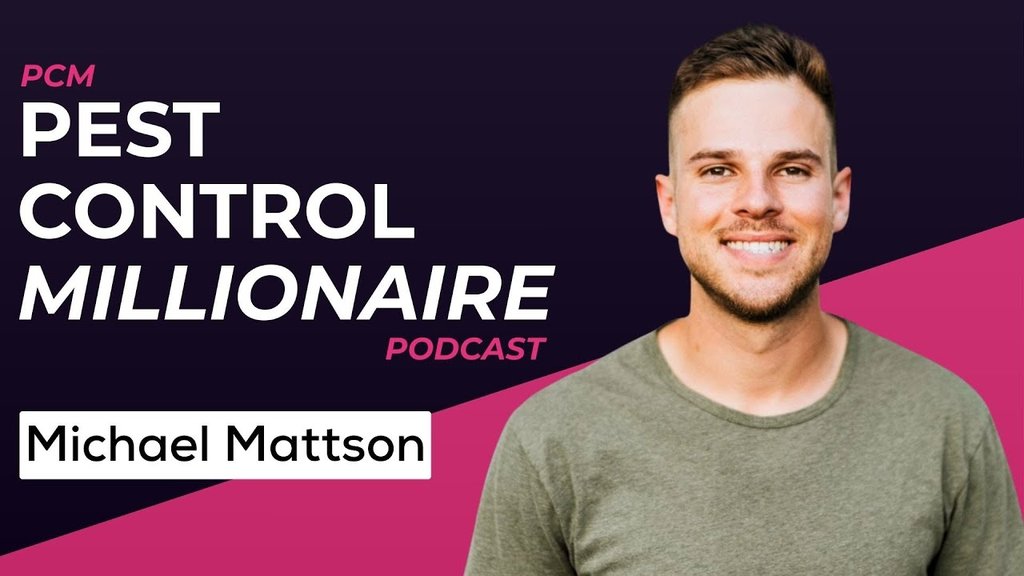
Table of Contents
- He didn’t think he was smart enough to own one
- Partner only if your visions line up
- Michael wishes he had hired his admin first
- Micromanage until you can trust
- Dash cams are a safeguard, not a babysitter
- Facebook groups are still his best lead source
- Win your town before you open a second one
- Frequently Asked Questions
Michael Mattson owns Valley Pest Co. in Knoxville, Tennessee. He was a technician for almost 10 years before he ever thought about owning a company, and when we recorded this in 2025, Valley was getting close to 1,000 accounts. We played phone tag for about a month before we finally got it done.
This one is about hiring and managing your first employees, the part nobody teaches a technician. Michael has hired techs who worked out and techs who didn’t, and he’s honest about both. Here is what stuck with me.
This episode is part of the PCM Podcast. For finding the right people in the first place, read hiring A players for pest control.
He didn’t think he was smart enough to own one
Michael was homeschooled until his dad, who did most of the teaching, got sick with colon cancer. When he moved to a private school, the tests put him back from his junior year to freshman year. “Man, I’m dumb,” he remembers thinking. He’s a hands-on learner, so college never appealed to him.
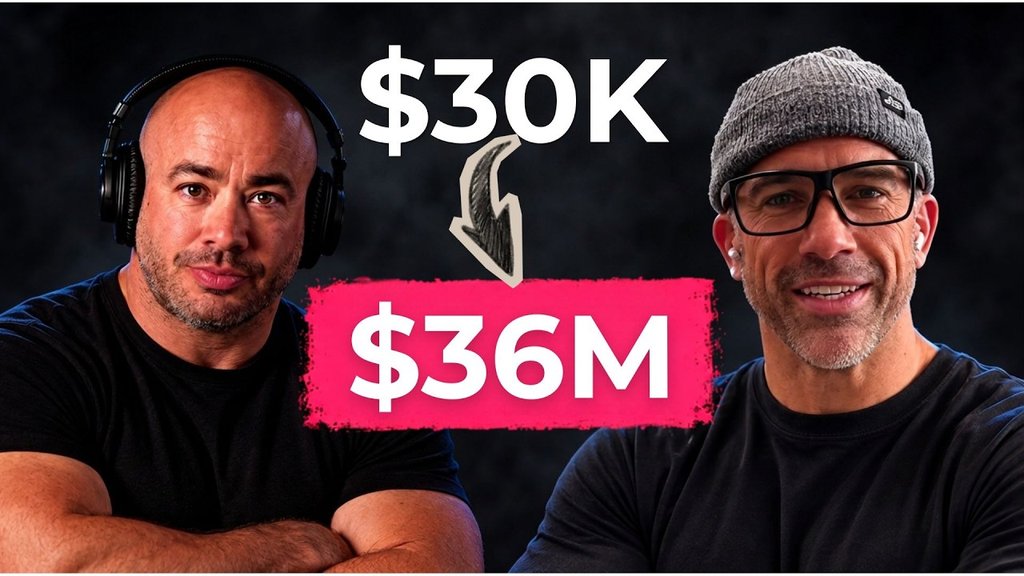
He was serving tables at a restaurant in Knoxville when the owner of Dayton’s Pest Control, a long-running local company, sat in his sister’s section. They needed a technician, his sister said her brother was about to graduate, and Dayton’s offered $30,000 a year. “That’s a lot of money, so let’s do it,” Michael remembers thinking. He started as a seasonal tech about a week after graduating and stayed until 2021.
Owning a company never crossed his mind. “From my perspective as a technician, it just felt like an insurmountable task,” he said. “I’m not smart enough.” Dayton’s was a successful company with close to 50 employees, but there wasn’t much room to move up. Then the owner retired and sold to Waynes, an Anticimex company, and it felt like a reset. When Waynes asked if he wanted to knock doors, Michael was appalled. “What are we in the 1800s?” he said. That’s when it clicked. If he was going to do something that hard, he would do it for himself.
Partner only if your visions line up
Michael quit in 2021 with a coworker from Dayton’s, and they started a company 50/50. His wife had told him, “Babe, I think you should just start a business on your own.” He talked himself out of it. “She’s right a lot. Don’t let her hear that,” he said. About six months in, he knew it wasn’t the long-term play, because their visions didn’t line up.
At the end of 2021, he told his partner they should go their separate ways. His partner was a little blindsided, but there’s no bad blood. Since the split was Michael’s idea, he let his partner keep the LLC and the business name, and they each took a couple of customers, mostly in-laws and friends. They were lucky to split before there were hundreds of thousands of dollars to untangle. Michael started Valley in 2022 knowing what his wife already knew. “I can figure this out on my own,” he said.
Michael wishes he had hired his admin first
By year two, Michael had to turn customers away or hire, and being the boss felt weird. He still tells his guys not to call him boss. His first technician lasted maybe six months. “I don’t think I knew what I was doing,” Michael said. Then Andrew, a friend from Dayton’s who had been doing his own thing, joined in 2023, and he’s still there. A third tech had to go for cutting corners. When we recorded, Valley had two full-time techs, one part-time and an admin.
The admin came last, and it was Andrew who pushed for it. When we recorded this in 2025, I gave Michael the advice I always give. Hire a CSR or admin before your first tech. They buy you back 20 to 30 hours of your time in the field, so you can go bring in the revenue that pays for them, and then you hire the tech. Otherwise you’re still doing the routing, the calls and the emails while you’re in the field. It’s impossible. “I did it backwards,” Michael said. My reasons are in why your first pest control hire should not be a tech.
What held him back was training. Everything was second nature to him, and he didn’t know how he would teach it. But he had heard it in a book or a podcast. “The moment that you think that you’re irreplaceable, that’s when you’re going to just fail,” he said. Anybody can be taught to do what we do. Bring the right people in, compensate them, treat them right, and it’s doable.
Micromanage until you can trust
The tech Michael let go chipped a customer’s retaining wall with one of their brand-new Mavericks and scuffed up the truck. Michael heard about it from the customer, by text at 8 p.m. on a Friday. “Probably wouldn’t have had to let you go if you would have just told me about it,” he told the tech. Before that, Valley had lost a few customers over complaints like, “He was here for three minutes and there’s webs all over.”
New hires always work their best the first two weeks. That’s why I say micromanage them until you can trust them. For the first couple of weeks, follow up with their customers and do ghost inspections. Once you trust them, you or a manager can do a ghost inspection once a week, just to make sure everything is getting done. That’s how you catch the guy who never even took his web pole out. Every time a tech puts on your shirt, he’s representing you and your brand.
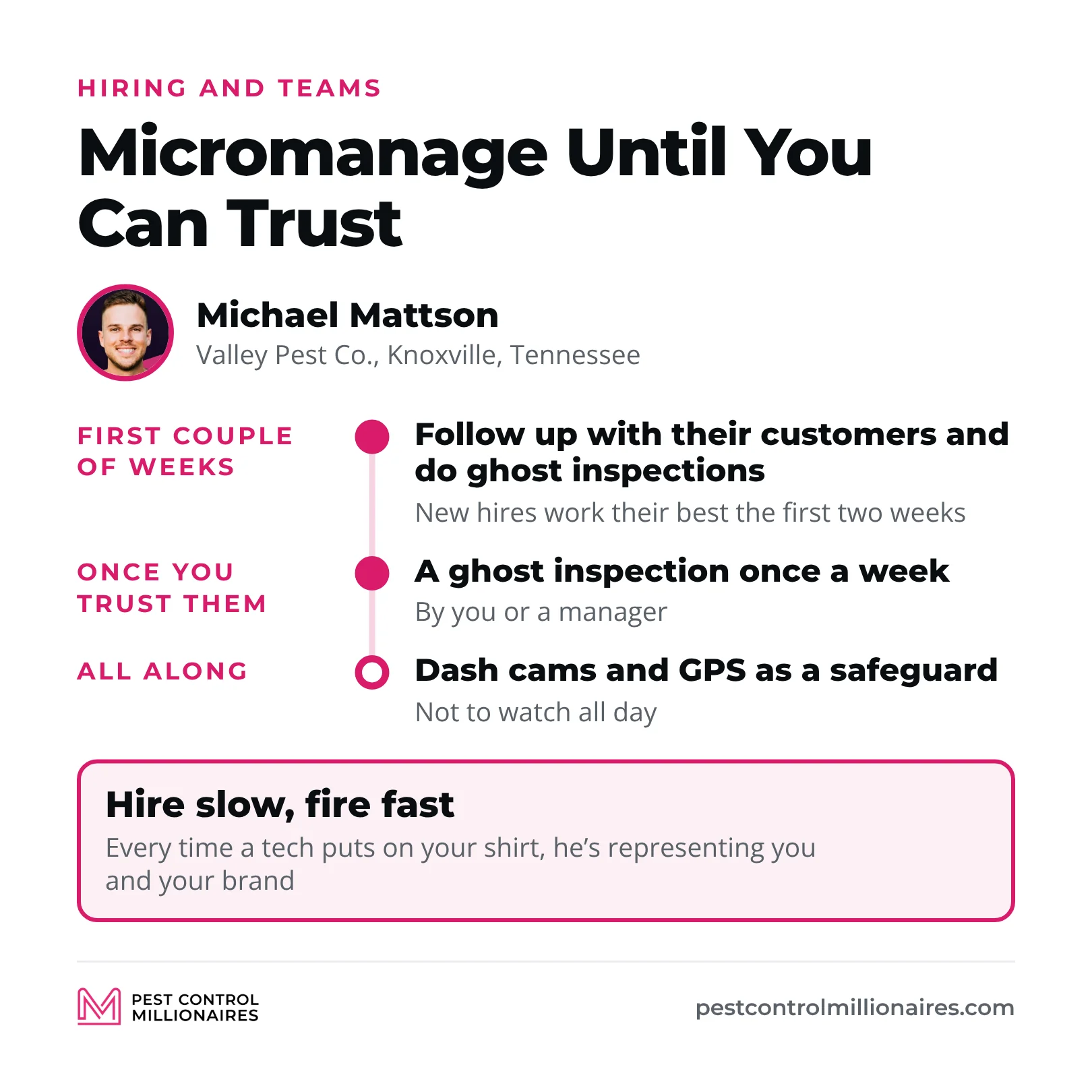
Michael didn’t do any of that with his first guys. He knows techs who got fired for drive-bys, sitting in the truck outside the house for 15 minutes, filling out the ticket and leaving. “It’s an easy thing to do until you get caught,” he said. Now he goes by hire slow, fire fast, because he has done the opposite. Our guide to training new team members for pest control covers the training side.
Dash cams are a safeguard, not a babysitter
Valley’s trucks have dual-facing dash cams, and we use Ravens at Pest Badger. Some owners say you just have to trust your guys. “I can’t even trust myself,” Michael said. Phones are an epidemic, and he told his guys he isn’t going to sit there watching them pick their nose. “You’re representing our business. You’re riding 60 miles an hour. You cannot be sitting on YouTube while you’re driving our trucks,” he said. If a tech gets in a wreck and the footage shows distracted driving, that’s pretty much instant termination.
Nobody in our office watches the cameras all day. We go back and check when we need to. If a customer says the tech wasn’t there, the GPS shows when the truck arrived and when it left. Customers have cameras now too, so they can tell if your tech went in the back. I heard about a tech at another company whose production was way down. When they checked the camera, he was sitting in his truck, putting his head in a bag to hit a vape pen. He lost his job. Our pest control truck setup covers what else goes in our trucks.
Call your insurance company, too. A lot of them will give you a discount for having cameras in the trucks, and Michael thinks his does.
Facebook groups are still his best lead source
When Michael started over in 2022, he found the Bug Bux podcast and took a course with my partner Jake Sheldon. Posting in local Facebook groups became a staple for Valley, and in 2025 it was still his best lead source, funny enough, along with customer referrals, which he rewards with referral bonuses. “I don’t love Facebook,” he said, but it’s where the generation buying pest control is. Early on he tried Angie’s List, which solicited the heck out of him, and he has tried knocking doors. “It’s not my favorite for sure,” he said.
That’s fine. Door-to-door is fast, but if you grow a little slower and more organically, you get better retention and a better customer base.
His reviews come in through an automated request from Clicki, and his guys get five-star reviews left and right. He already has more reviews than some companies that have been in business in town for 30 years. Michael was 30 when we recorded, and he knows his generation will buy from what they see on Instagram, TikTok and YouTube. His social media isn’t where it needs to be yet, but he sees it as wide open, because hardly anyone is doing it. “It’s like having a billboard that’s free,” he said. A small company can turn fast, like a little boat next to a giant yacht.
Win your town before you open a second one
Michael got out of the truck in the year or so before we recorded. After almost 10 years as a technician, it’s a weird transition. Now he asks where his time is best served. “It’s not going to be doing the work that we already have,” he said. So he’s reaching out to influencers, networking locally and working on becoming a staple in his town. His market is saturated, and it’s saturated for a reason. It’s a good market.
Some owners plan to franchise or open offices everywhere. Michael might look at that someday, but first he wants a well-oiled machine that doesn’t rely on him. “I want to become irrelevant because I’ve got awesome guys,” he said.
I saw a post in one of the Facebook groups from a guy with 130 mosquito accounts who had a great opportunity one state over and wanted to know what software to run two locations on. I gave him the software answer. The second part was that I would never do that, ever. Michael was close to 1,000 accounts and still wanted a stronger customer base before he’d even consider another town. That’s the smart move. Don’t get excited about a second location. Get ultra focused on your market. Here’s what I wish I knew before opening a second pest control location.
Frequently Asked Questions
Who is Michael Mattson?
Michael Mattson owns Valley Pest Co. in Knoxville, Tennessee. He spent almost 10 years as a technician, most of them at Dayton’s Pest Control, started a company with a 50/50 partner in 2021 and started Valley on his own in 2022. When we recorded his episode in 2025, Valley was getting close to 1,000 accounts.
Should your first pest control hire be a tech or an admin?
Michael hired a tech first and says he did it backwards. When we recorded in 2025, my advice was to hire a CSR or admin before your first tech, because they buy you back 20 to 30 hours of your time in the field to go bring in the revenue that pays for them.
How do you know if a new pest control tech is doing the job right?
Micromanage until you can trust them. For the first couple of weeks, follow up with their customers and do ghost inspections. Once you trust them, you or a manager can do a ghost inspection once a week, and the GPS shows when a truck arrived and when it left.
Should pest control trucks have dash cams?
Yes. Michael runs them as a safeguard, not to watch his techs all day. Footage of distracted driving in a wreck is pretty much instant termination at Valley, and your insurance company may give you a discount for having cameras in the trucks.
Full transcript
Every word of the episode, from the video captions
Right, guys. Welcome back to the show. This is episode 139. Got another super awesome guest. Really excited to have him on. I think we've been playing phone tag for like a month now.
So, fin we finally did this and finally I reached out to him last night like just let's just do that. He's like let's do tomorrow. Awesome. We have Michael Mattson with us today. Owner of is it Valley Pest, right? Yeah, I think so.
Yeah, Valley Pest. Valley Pest Co. Technically, but everyone just says Valley Pest Control, so whatever you want to call it.
And then where are you out of?
Knoxville, Tennessee.
Knoxville, Tennessee. How's the weather there today? Today's rainy. Kevin, my buddy, jinxed it because yesterday was great and he's like, "Oh, man. Are you getting rained on?" I was like, "We aren't." And then today it's pouring rain, so but we don't have a ton of bad weather. Normally, it's nice and...
Cool. Well, thanks for being with us today. I love I love I love what you're doing. I love watching you. I know that you've listened to a couple episodes, so you don't know the first question that's probably coming. But if Michael and I are sophomores, juniors in high school, who was Michael Mattson at that age?
Oh man, what a question. No, I don't remember hearing that one, but that's a that's a great one. You know, I was I was held back my junior year back to freshman year. So I would have been a freshman again when I was supposed to be a junior senior. So I was held back. Long story short, I was homeschooled and then went to private school. When I went to private school, I just wasn't where I was supposed to be at education wise just due to just the homeschooling career not being super beneficial. So, I got held back to freshman year and so I kind of had to reset. But anyway, that's a side story. I would say junior whether it was getting held back or not, when I was a junior in high school, I was I was a mess. I wasn't a bad kid. I was just a dumb kid, you know, just...
Just doing Yep. Yeah. Just doing your typical high school thing. No idea what in the world I was going to do when I grew up, you know, got out of high school. So yeah, I was just kind of cruising and trying to figure out what in the world life was going to do, you know, where it was going to take me.
For sure. Were you doing sports? Anything like that? What would you like to do at that time?
I was in basketball, played a little basketball for a couple seasons, so that was a lot of fun. It was a small private school, so you know, it's not we didn't have a lot of teams to play. So it was pretty low-key, but yeah, did basketball. And again, that was that was really like one of the only sports we had. Otherwise, I would have liked to try something else. And then when I was homeschooled, I just didn't really have any sports opport very many sports opportunities. So, just basketball.
Which makes me come up with a couple more questions. What did your parents...
My dad was he had done a couple different things. He was like a plumber, electrician, and then he'd even done some like mission work, local like missionary work. And then my mom, she just stayed home because she it was me and I have four sisters. So, that was a full-time job.
So, your parents got the girls?
Yeah. Four sisters for my parents and me and then now I have four boys, zero girls. So, I maybe maybe that's the key. One more and then we'll have the complete opposite. So, I don't know. We're we're feeling pretty full at this point. So, we'll see.
So you got to have one more like your parents did.
I can't imagine. It's a It's a different world we live in from when they had kids, too. A little bit more expensive. But yeah, I love kids and if I could have a hundred, I probably would, but I'm not going to do that.
I agree. I'm right there with you.
So then, so you're p you're going to a private school, homeschool. What made your parents homeschool you? Do you...
Very conservative, you know, that was just that was just like the easy solution. We moved a little bit, too, so it was just easier to be homeschooled. So, yeah, we just kind of did the whole homeschool thing. And yeah, again the issue with it though was is I just don't feel like it was as beneficial as it was as it could be. So then when when we had to go to long story short, my dad ended up he was the one who kind of mainly did the homeschooling with us. And so he ended up getting sick with with colon cancer. And when he got sick, we needed to move to private school. When they tested us, I was way far back from where I needed to be because again, I was supposed to be going into junior year and they're like, "Uh, nah, you got to go back to freshman year." So, that sucked. That was you know, super humbling because it's like all my friends are juniors and then now I'm hanging out with a bunch of freshmen, but that was just where my education or lack thereof just kind of that's where I needed to be realistically, you know, to be able to get through high school.
So, got held back freshman year and then thankfully I was able to graduate early. So, went back to junior year, you know, got through freshman, sophomore, junior, and then was able to graduate junior year. So technically I graduated a year behind when I was supposed to.
Oh, gotcha. That's not so bad. Your What are the ranges of your of your sons...
Ages? We got Yep. All we got all boys. Seven, five, two, and almost two and a half in like a year. So...
Gotcha. So the oldest ones going to school, starting to go to school.
Yep. So we both of them we got two second grade kindergarten and we're we're doing it's actually kind of like hybrid homeschooling where it's like a three day...
Yep. Three day week program. So technically it's not homeschooling because they go three days and then the two days that they're home they give them the work to do but obviously my wife's got to kind of you know walk through them walk with them through it just because they're still young. So it's kind of like homeschooling, but then their whole thing is like as they get a little bit older, it's almost like college vibes where it's like they teach your kids to be very independent where it's like now now you just go home and just do the work and you really shouldn't need a lot of handholding once you get a little bit older.
Yeah. Is this a like a private school type thing, too?
It is. Yeah. Private Christian school. It's called River's Edge Christian Academy. So but it's been good. We don't we don't know if that's like the long-term solution. It's just we really enjoy it for now because, you know, with my job being a little bit flexible, it's great having them home a little bit, you know, more than just if they were at school five days a week. So, they're home a little bit more. So, we get to hang out with them, spend a little bit more time than you would normally be able to.
Yeah, that's awesome. So, do you think they'll ever go to public school or are you liking the private school...
Yeah, we don't we don't know. We're just going to take it by...
We don't have private schools. That's is why like I'd love to.
Really? Interesting. There's it's just doesn't exist in your area. No, too small of a town. Yeah.
Yeah. I mean, we've got private, we got the hybrid, we've got public. So, yeah, we don't know. We're just taking it year by year. So this is where we're at. We a lot of our friends kind of are in the same season of life and our kids all kind of go together. So, it's kind of a cool thing. So, we all we do that and yeah, we'll see. We'll take it just year by year. At some point, we might get sick of having them home as much and just throw them in. Yeah.
But yeah, you can go for five days now.
Yeah. That's cool. And then so get through you graduate junior year. What do you do after right after high school?
Yeah. You know, I definitely I really struggled you know and even just like mentally like again being held back kind of really did a number on my mental health if you will where I'm like man I'm dumb. Like I can't even like you know I can't even get barely get through high school. So I definitely struggled with like what am I supposed to do? How am I supposed to go to college and get this second, you know, get a degree when I feel like I could barely get through high school just based on where my education was at. And so, and I just I didn't love like I'm a bad learner when it comes to reading a book and trying to figure out, you know, how to learn that way. I'm very hands-on. So, college was super unappealing and so that was just I did not think that's what I wanted to do and so I wasn't planning on going to college and then I ended up not going to college.
Nice. And so where do you go from there? Where does life take you?
Yep. So I served tables at a local restaurant here in Knoxville. I started, you know, 16 years old, hosted and then became a server when I was 18 and then shortly after that after graduating. When I was 18, I guess I was closer to 19 since I got delayed. So I was 19 when I graduated. And then the owner of a local pest control business in town called Dayton's Pest Control. He's he's retired now, but he was he was local guy, been in the area for close to 30 years. He actually sat in my sister's section. So my sister also served. And so long story short, kudos to my sister. She served them and they just got to talking and were like, "We need a guy for our pest control business." And my sister was like, "Well, my brother's looking for a job. He's about to graduate." And so they like she had me go introduce myself and yeah, the rest is kind of history, you know, literally never never was on the radar pest control, but again, I was just I was about to graduate and I just didn't know, you know, I looked at like maybe being a firefighter, electrician, like even looked at military like options, but at the time my now wife, we were dating, so it's like I didn't really want to do the military thing.
And so yeah, just I had no, you know, specific plan and on where life was going to take me. Obviously, I was just trying to trust the Lord. I'm a believer. So, just praying and really seeking him to kind of see like where he would have me. But it was tough because it's like I don't I had no clear vision of like I you know, I don't want to I wasn't like I want to go be an engineer or be a nurse. It's like I don't know. I don't I don't know where I want to go. I didn't have any direction. But anyway, so I met the owner of Dayton's Pest Control Dayton. And yeah, he's like, "We need a technician, you know, 30K a year." And back then I was like, "That's a lot of money, so let's do it." You...
Are you sick of paying marketing agencies and not getting results? Well, we are hosting the number one step-by-step class on how to attract and generate sales without paying market agency or having a huge budget. Most lawn care and pest control owners get stuck at a ceiling because they're dealing with outdated systems or relying on guesswork waiting for the phones to ring. Our upcoming class this Thursday provides proven strategies to generate hundreds of leads without a huge budget. We'll show you how to build a predictable system to grow past a million dollars. We show you how to automate your marketing. We'll also teach you how to delegate and build your team so you have more time. So, click the link in the description below. Trust me, you're not going to want to miss this. This is the one thing that I wish I had learned a lot sooner. Now, let's get back to the show. It's super awesome. So, you go work there. Assuming you started right away, went as a technician. How long do you stay there?
Yeah. Yeah. So, exactly. You know, graduate high school. I'm pretty sure I start like the next week. So just start as a even just seasonal tech. So, seasonal right along in the winter, just get training and then eventually kind of get a route and grow. So yeah, I ended up working there. I guess it would have been 2015 until I guess technically actually 20 2014 2014 2015 is when I started and then I was there until 2021.
Really? So this is entrepreneurship is...
Yes, entrepreneurship is very new. Yeah. So yep. Basically what happened was I was great you know the one thing that I struggled with at that job was there was not like a ton of like upward mobility you know it was great we had...
We had it was I think like close to 50 employees so it was a very successful yeah local business in town. There just wasn't like a lot of management opportunities or like so that was kind of something I struggled with where I was like all right this is good like you know we made more and more money each year and they treated us really well so it was a great place to work but I was like I just don't know what's next and so that was the biggest thing that I kind of struggled with but anyway 2020 rolls around and it was about...
Well it was right before this so I should say the very end of 2019 like December 2019 we have a being Dayton's retiring. Well, they sucks. So, he's retiring. So, it's like, what does that mean? So, then Waynes, which is an Anticimex company. I don't know. They're I don't know if they're up in your neck of the woods. They're Waynes They're in I know they're definitely Alabama. That's kind of where they started. They're all over. They're Gulf Coast, but anyway. So, Waynes came to town, purchased Dayton's. And then and then that was kind of so from 2020 on they came into town and then at the end of 2020 I was like I don't think this is going to be where I want to stay. You know, it just it's a bigger company, so it's harder to harder to, you know, kind of have a meaningful meaningful role just because there's so many people moving around. And kind of felt like a reset, I guess. And so I was like, man, I don't I don't feel like this is maybe going to be my best option.
And so at that point, is when I ended up jumping ship would have been the end of 2020. So 2021 is when I ended up getting out of there.
So did you ever think that you'd start your own business? Did you ever like over this past four or five years that you're working for Dayton? Did you like I think I'm going to go do this on my own. Were you starting to think that?
No, I really wasn't. Like it was literally like I don't think that thought ever crossed my mind. What did cross my mind is I always felt like I wanted to be a business owner entrepreneur. I just had no idea what that meant. You know, it's like rent real estate sounds fun like this, you know, that or the other. It's like it all sounds great. Pest control was literally not even on the brain waves of like something that I thought that I'd be interested in. Because I think from my perspective as a technician, it just felt like a insurmountable like task. Like this is just like I'm not again back to like I think just like the high school stuff like Yeah. I'm not I'm not good enough to do that. Exactly. Like I'm not smart enough. Like...
You have to be really smart and this and that to do that. And so I think that was kind of what why I never even considered that option. And so then what ended up happening was 2021 when I quit, I actually started with a business partner. So we were 50/50. We quit together. We had both worked at Dayton's together. And we started the business together. And then basically after that first year, I don't know if you have any business partners, but it's just it can be tough if you guys aren't like very aligned with your vision, you know. So basically I after that first year of 2021, 2021's coming to an end, you know, it's about to be 2022 and I was like, man, I don't think this I think we are going to work together if we just go our separate ways. And so that's what ended up happening. And obviously he was a little bit blindsided, but I think looking back like we're it's not there's not like bad blood, but I would definitely say that looking back he's probably happy to not have to deal with me and vice versa where it's like, you know, he had his vision.
So he was basically able to take his thing and run with it and then vice versa. I created Valley starting 2022 and then here we are today.
That's cool. So during the 2021 when you guys went different ways, does that is that company still up and rolling?
Yeah, I basically since I was the one who who was like, let's let's split up. I was like, I'll obviously just let you keep the LLC and the business name and all that stuff because it's not it's not fair for me to try to just come in and just screw the whole thing up. Just because I decide that I want to kind of, you know, do my own thing. So yeah, he kept the business LLC. We were pretty we were pretty irrelevant like that year. Again, neither of us knew what we were doing. So we didn't we didn't have like a lot of customers. So it's like our customers were either like my you know in-laws or like his friends. So it's like we just took our people which it was just it was super irrelevant the number. So it's like I took a couple people, he took a couple people and then we just went our separate ways. So there wasn't thankfully it wasn't a breakup in the sense where we had like hundreds of thousand dollars of stuff to deal with and customers. So that I am thankful that we were kind of ahead of the ball as far as like not having to, you know, have a million-dollar business and figure that out, you know.
Yeah. But what did you learn during that year and a half?
Yeah, I learned a lot. Yeah, learned a lot, you know. I think a big part was just getting confidence because again, even even doing that like because my wife, you know, she's she's right a lot. Don't let her hear that, but she was right because she told me she's like, "Babe, I think you should just start a business on your And I was like, "Oh, no, no." Like, "This will be better to just get a business partner and do it together." But again, she knows my personality and the way I am, just very like when I when I set my mind to something, like I'm going to just work super hard at it. And she knew that. So, she's like, "No, just do it yourself." And I was like, "Oh, no, no." So, I talked myself into thinking that like, you know, having this 50-50 split would be more beneficial for me. And for me personally, again, just with with where our visions weren't like great aligning together, shortly into I'd say six months into that first year, I was like, well, shoot, this is probably not going to be the play long term, you know. So that was obviously a big learning experience of like figuring out, okay, this is doable, you know, I can figure this out on my own.
And I can I can, you know, basically just grow something from the ground up. So that was the biggest thing. And then just even you know, just learning a lot with like how to deal with customers, customer service, sales, what that even means because that is one thing I didn't have. They my old company had no there was no like door-to-door team. There was no there was no like sales guys. So there was no like sort of sales influence for me to kind of learn. So that was something that I was like completely like I didn't even know what door to door was until Waynes when they came in they're like do you want to do that and I was like what the heck I remember being like appalled by the thought of knocking on someone's door I'm like what are we in the 1800s like who does that and then come to find out it's like super popular you know but Dayton didn't do it. So I was just very unaware that that was like still very common in the bug world.
So I'm assuming that you didn't go do it. No, that was when that was towards the end of when I was about to quit. They came to me. They're like, "Hey, you want to do this position?" And that's kind of when it clicked in my mind. I'm like, I think I would if I'm going to go do something like that that's really difficult, you know, like a really hard job. I'm like, "Let me just try to do it on my own or with a business partner in this case." So, that was kind of like the last thing.
Yeah. When you guys started your company together, how were you getting customers then? Again, not not really not really great ways. Just really referrals and we would like post on Instagram or Facebook. But again, it was very slow. It was a very slow start and partially just because we were trying to figure out what we wanted to do, you know, what our what our thoughts were with like how to grow. So just nothing crazy. I think we tried like a who doesn't try Oh, shoot. What's it called? Not next door. The other Angie's List. Angie's list. Yeah. So, of course, they solicited the heck out of us. Yeah, sure. We'll give it a try. And it's like, so just stuff like that. Little...
Cool. And then, so you guys, you start your own in 2022, start back over, rebrand, rename everything. What's what's your next move?
Starting fresh. Obviously, again, I have a couple friends and families that that came with me to Valley. But obviously just starting from ground zero. So then it was really just like deep diving into, okay, let me let me really figure out what's what's going to make the customers come in and all the different options. So definitely learned a lot. You know, I found Bug Bux and I found I think you're connected with Jake. Charlie...
As far as Yep. Yep. So I took a course with Jake. I think you're in it actually. And it that's that was that was honestly huge, you know. So, that was one of those things where like the Facebook group posting stuff has been like that's a staple we're using to this day. I've just gone crazy on those Facebook group pages because at least for my market, it can be super beneficial, you know. Fa Facebook ads, a little bit of Google, a little bit of this. Still not really much in the I've tried the door knockocking thing. It's just, as you know, it's super hard. So, I It's not It's not my favorite for sure.
Yeah. Yeah. And it's not, again, it's not the end all be all. It's fast for sure. But I feel like, you know, if you want to grow a little bit slower, more organically, you're going to have way better retention, better client, better customer base. Like there's a lot of good things come with it. And so like how have you transitioned from when you first started in 2022? So this is your third year in business. What's been the transition through all that?
Yeah. Just from day one till now.
Yeah. Like walk us through that. Walk us through that story.
Yeah. Yeah. Yeah. You know, so start over. Just again just getting my feet out from under me, just figuring it out. So just so just kind of getting back in the truck, you know, just back to back to the old school, just being a technician. Obviously, I just had a few extra hats that I was wearing. Especially being solo without a business partner to kind of help share some of the burdens. So just, you know, wearing all the hats, answering answering the phone calls, going out to services, you know, take care of this customer and do that. So it was just a lot of learning, you know, that first year. And then year two, I, you know, started just getting getting to the point where it's like, all right, I'm gonna either have to turn customers away or try to hire somebody. So, whole new thought, like being being the boss, you know, just weird a weird word to say, honestly. It's like I'm I mess with my guys now. I'm like, don't call me boss. I don't I don't like that term, you know? Like, just call me Michael. But that was just a whole another thing where it's like, okay, what does that even look like to be a boss and how do I find an employee?
So anyway, I picked up a guy who great friend of mine who he had we had worked together at Dayton's, but then he had quit a couple years back and he had just been doing his own thing. So we connected and we're like I was like, "Dude, you need to come work for me." so that's when I brought Andrew onto the team. I guess that would have been 2023. So brought him onto the team. And that was again a learning experience for sure, but yeah, it's been great. And then from then on, so had got Andrew. I did have I've had two technicians. It's not perfect, right? So, my very first technician. There's actually one kind of forgot about him because it was a short-term thing. My very first technician was shortlived. I think he was I was I think he was here for like six six months or less. And he again, I don't think I knew what I was doing. And obviously, so there was like a lot there.
So, he was young and he's like, I don't want to do this anymore. So, he quit. And then I found Andrew. And then I had a third guy. And then I had to let him go. He there were just some things like some cutting corners and some things that just weren't great. So that was no fun, you know, because it's like you invest in these guys, you really try to, you know, just teach them everything and have them be a great part of the business just to have to quit or fire them. And it's like that stinks. So anyway,...
Every time they put on your shirt, right, they're reflect reflecting you and your brand.
Yeah, 100%. And that's what ended up happening. The guy who had to let go like get a call from a customer or a text like 8 PM on a Friday. He's like, "Hey, did your guy hit my retaining wall?" And I was like, "I don't know. Let me check in with him." So, long story short, he had like we just got these like brand new Mavericks and he had just like chipped this retaining wall. So, like scuffed up the truck pretty good and busted up the guy's retaining wall. And I'm hearing about it from the customer. And so, that that was kind of like the last straw. And even then I was even I told him I was like man probably wouldn't have had to let you go if you would have just told me about it.
Way easier if you could address the customer first. Yeah.
Exactly. So that was just like one of those things where it's like it's never fun to have to let anybody go, but...
Like what like that guy specific and we don't obviously not going to say names, but did you like looking back did you like if you look closely were there signs from day one first week or not really? Not first week, but we definitely had to have multiple, you know, come together.
I feel like they always work their be. I feel like they just do. They always work their best the first two weeks. They just do.
Yeah, 100%. But no, we definitely had, you know, because we had lost a few customers. Hey, he was here for three minutes and there's webs all over, you know. So, just the typical stuff where it's like, you know, you see it all the time. Like, it's easy. There's a ton of trust in this industry. I don't have body cams on these guys. So, it's like I'm going to teach them what to do and hopefully they just go implement it at our customers houses. And if there's no obviously I could go and try to like go behind them and check in on a house every now and then, but obviously it's like it's better to just hopefully hire guys who just trust and know who are going out there and just reflecting yeah the brand in a really good way.
So that's been, you know, for anybody listening who's looking into the employee thing, it's the best thing I've ever done. But just know there there it's not always going to be, you know, sun sunshine and days. Yeah. All that stuff where it's like Yeah. Yeah. It's there's going to be some hiccups and some failures and that's okay. That's part of it. You learn from those. Maybe not. Maybe you're going to be perfect and never have to deal with that. But I have I've had to for sure and I'm sure it'll happen again. But anyway, so couple that didn't work out and then brought brought on Andrew and yeah, he's he's been great. He's still with me. And then ended up with two more technicians. So, I've got two full-time techs at this point, one part-time, and then an admin, which was another that was you can ask Andrew. He was like, "Dude, we got to get an admin because that's not I'm not good at that job. I don't like that job."
None of us are.
None of us are. That's why I always say we need to hire you need to hire a CSR admin before you hire your first...
They'll buy you back they'll buy you back 20 to 30 hours of your time in the field. Like you can go you can go you can go produce more revenue generating income for the company to afford to have her and then you hire your your tech second.
Yes, absolutely. And so looking back I definitely wish I would have done that because I did it backwards. Hired the tech first and then the admin. And so definitely was still just having to play catch-up because even having a technician it's like you just said I'm still doing all that nitty-gritty stuff. You just don't realize how fast...
You're still doing the routing, you're still do taking the calls, you're still doing the emails and you're trying to do this all while you're in the field. It's...
Yeah, it's impossible. And just it's just not good business strategy. So I think my biggest hesitation why I didn't pull the trigger on CSR was just the I was just nervous on like, okay, how do I train him her to do all these things? Because like it's just second nature at this point. Like I know what I'm doing just because I've done it, you know, but I've heard it multiple times from whether it's a book or a podcast. It's like the moment that you think that you're irreplaceable, you know, that's when you're going to just fail. It's like nobody's irreplaceable. We're we're not that special at the end of the day. It's like anybody can be taught to do the things that we do. We just have to find the right person and let them come in. And but I think that definitely was part of it where I was like, you know, it's easier for me to just sell this customer because I'm just I'm used to it. Like I know my pitch, like I'm pretty smooth with just like explaining everything, but...
Yeah. And you know everything. You know all the nuances of the business. You know how like obviously you believe in your product more than anyone else in the world is going to do. Of course, you're going to sell best, you know.
Yeah. Absolutely. So again, just getting over that like, man, now I got to like try to get somebody on board to have that same like just like, you know, being on fire for what we're doing and what we're wanting to build. But it's definitely doable. You know, you bring the right people in, you know, you compensate them, you treat them right, and it's doable. So I ended up getting an admin. So yeah, at this point, three four four employees, three three are full-time, one part-time, and yeah, I mean, still learning every day, but it's been it's been a lot of fun. And now I'm like, I've got a great team. I love the guys that I have now. You know, they do great. They represent the company super well. You know, our five-star reviews reflect that or it's like they're getting reviews left and right because not because of anything I'm doing, but because they're they're just great guys who are representing the we have an automated system, which is nice. So, we have an automated system. And it's great. It's through it's called Clicki.
Yeah. Are they asking for the reviews?
And it's great.
Kendall Kendall.
Yep. Kendall. Yep. So it's been really good, you know, because there's like an incentive for the customer where it's like if basically the whole thing is like, hey, if you leave us a review, you know, this is a way to tip our guys. Obviously, Google's kind of weird, so you have to be careful. You can't like bribe your customers, but you definitely can be like, "Hey, if you want to leave a tip, this is how you can do it." So it's a great way and it's been super effective because it's crazy, you know, though there are businesses in town who have been in business for 30 years and I've already got more reviews than them. So, it's like I get it if that's not their focus, but it's just one of those simple things that can be super beneficial to have just some...
PCOs operators are old school dudes that they're busy doing their thing and they've done it the same way for the last 30 years like you said and so this stuff's just kind of passed them up. So the opportunity that the younger PCOs have now is absolutely ridiculous. Like that's what's nice about being small right now because there's so much shift in the game right now from AI technology that these old guys are going to move super slow or like I said if you have a small rowboat versus a big giant yacht which one can turn faster. So being a smaller like and I'm still smaller too like so having a small company like us we can shift really fast which is cool.
Yeah. One thing that one thing that you mentioned earlier was like trusting your guys and I always say that you have to micromanage them until you can trust them.
So, just stay on top of them for the first couple weeks. Make sure you're following up with customers. Make sure you're doing some ghost inspections until you like, "Okay, now I trust this guy. Now I don't have to check up on them all the time." Then just have yourself at this point or manager just do ghost inspections, you know, once a week just to make sure that they're doing the right things. Make sure that everything's getting done. Like you said, like guy went there and there's some spiderw webs, but if you had done a ghost inspection, I'm not telling you what to do, just what we do. Like we'll just have ghost inspections like you'll see like a guy that didn't even take out his web pole like and you're sitting there watching like yeah, how often is he doing this? So you have to ride him up and do that whole thing. But as long as you have the ghost inspections, like I said, you got three techs now and you want to scale this thing up, just make sure you're doing the ghost inspection, make sure that they know you're holding them accountable, too, you know, as a technician. So, I would just say micromanage until you can trust.
For sure. And no, that's a very good tip. And definitely definitely I should I did I did not do really any of you know there at the beginning with those first couple guys where Yeah, I guess just being naive or just Yeah, just thinking they're they're going to go out there and do what they're supposed to and again ton of trust where it's like they can't because I've known lots of guys in the past who have gotten fired because they would just do drivebys. They just go to the customer's house, sit in their truck for 15 minutes, fill out the ticket, and then just get out of there. It's like it's unreal, you know. Yeah, it's an easy thing to do until you get caught. So, but I think first and for foremost just like really trying to hire great quality candidates.
Like you said, micromanage. So, definitely trying to just I think that's another thing where it's like hire slow, fire fast is a thing I've heard and yeah, I think that's a big...
So true.
Yeah, because I've definitely done the opposite. And it's the same thing like you said you mentioned body cams too and but like we've heard it so many times like oh your technicians didn't go in the back then you but and everyone has cameras these days everyone. So they can tell you if you went in the back they can tell if you just did a driveby. They can tell if you showed up. So it's nice having the GPS. Nice having all that new technology to help like oh let's just go look at our cameras real quick. Oh yeah we were here from this time to this time. Here's some here's some pictures of body cams in the back. Like oh crap. So all those things do help as you grow through it, you know, but very very it's awesome for us too, you know.
Do you do body cams?
Yeah. And then think how much content you can get content for days,...
Right? No, definitely. I mean, we've the we already stepped into like the dual facing dash cam.
We use Ravens, I think. Yeah. And I mean I know that that alone is already something that's, you know, debated where some guys are like, "You just got to trust your guys." I'm like, "Dude, I can't even trust myself." Like, it's a epidemic with phones where it's like, and that's what I've just told my guys. I'm like, "Dude, like, listen, I'm not going to sit here. I don't want to be sitting here watching you pick your nose. Like, this is just like a safeguard of like, hey, listen, this is super serious. Like, you're representing our business. You're riding 60 miles an hour. Like, you cannot be sitting on YouTube while you're driving our trucks." So that's our my biggest thing. Yeah.
And it does happen, you know. Yeah. And so the again like at home office or whatever it's not like we sit there and watch all these guys our technicians all day long we have obviously we can we don't but if we need to we just go back and check the check the Ravens quick you know and make sure that whatever they're doing you know I heard a story recently that they're having a problem with the technician just super slow not at our company and they were like what is going on like he's really slow his production is super below. And they kept watching it. And so like he they he picked up the Ravens or whatever they were using and went looked and he was sitting in his truck and all a sudden like he the employee was putting his head in the bag and then all a sudden he'd pull his head out of the bag. I'm like what is he doing? They put his head back in the bag. It's like something's up here obviously. And so when they went there he was just sitting there hitting a vape pen or whatever like a whatever they were whatever those things are.
Smoke basically smoking weed in the job. And he's like, "Dude, obviously can't do that while you're working." So, he obviously lost his job, but it's just catching things like that. And again, it's not like we have to monitor all day every day, but it's a safeguard, you know? So, instant like this come up. Or if someone says like, "Oh, you weren't here from this time. You can go check your GPS in your truck. Oh, yeah. This is when they arrived. This is when the truck started and this when they left."
Yeah. Exactly. And that's what I've told the guys again. It's like I don't want to have it's just the way it is where it's like I've told them where it's like for the most part if that thing catches you if you get in a wreck and we see the foot some footage that's you know distracted driving that's pretty much in instant termination you know so like just having that like expectation of like you all need to understand like you want this job you want to keep this job you value this job so you need to prove that by not risking your job by being yeah just careless in your work truck, you know, and potentially causing a wreck or just something on the road because again, it's like, yeah, it's our label slapped all over that vehicle...
For sure. And then, you know, a lot of times your insurance will even give you a discount if you have the if you have videos in them. You know what I mean? They really will. So, just reach out to your make sure to reach out to I'm just telling the listeners, make sure you reach out to your insurance company, see if they offer something like that discount.
Yeah, I think ours does for sure. So, definitely worth it.
Cool. In 2025, which I know you've grown a lot last couple years. What's been your best lead source now?
Still Facebook, funny enough. Still Facebook. Just again just hammering like Facebook pages and then just like people referring, you know, like we'll have we'll kind of like gify it. Again, that was a lot of what y'all talked about in your course of like making making an incentive. So having like referral bonuses for customers. So yeah, I mean Facebook, it's funny, you know, it's like I don't love Facebook. I'm not going to sit here and scroll Facebook like I would Instagram or TikTok, but that is still by far like the most popular as far as like the generation who's purchasing pest control. Although I will say, you know, I'm 30. I'm a 95 baby. So it's like my generation is getting to that age, you know, now where it's going to be more heavily Instagram and even whatever TikTok, TikTok or YouTube. So, it's like just kind of like you talked about a minute ago where it's like, man, yeah, these these like old school guys and hey, that's fine. Like, if that's how you want to if you're not worried about Google reviews and being on Instagram, you like sure, like you're comfortable with the living that you're making, that's great.
But as far as like scaling and really wanting to grow, like by far having having a social media pre presence and I'm bad at like my social media is not where it needs to be. Like I know you crush it. You know my buddy Kevin, Travis, like these guys are just killing it. And that's something I really need to step up because there is still an completely untapped market where like again you already hit you hit it hard where it's like no one's really doing it, you know, and even if it's just like one or two other companies that's still like the a drop in the bucket where it's like if every single company is doing it's harder to be relevant. But no one's really doing the whole social media thing. So there's a huge market and again as as these customers start to see you more on Instagram and Facebook and all these places. Yeah, it's just like it's like having a billboard that's free, you know, because they're going to just see you. It's...
Awesome. And so for the next what does the next five years look like for Michael and what's the next five years look like for the company?
Yeah, definitely. You know, I've finally gotten a transition out of the truck, you know, the past year or so. And that's been a really a weird thing, but a really awesome thing because it's like at this point it's...
It's a weird transition for sure.
Yeah, it's super weird because it's like almost for almost 10 years I was just a technician, you know, for the most part. So transitioning from that into just figuring out how to run a business and operate it has been a really weird thing, but also just been a ton of fun of just like, okay, now where's my time best served? You know, like how can I really help the business grow the most? It's not going to be doing the work that we already have. It's like, okay, we've already sold that account. Now, it just needs to get done. It's still super valuable, but that's not, you know, we have that work now. Now, we need to so go and focus on getting new work. So that's kind of been my focus is like, "All right, let me try to be more active with just, you know, reaching out to whatever it is, influencers or just u you know, local networking, all that good stuff." Just really becoming a staple in my town. It's is a definitely a saturated market, but that doesn't mean that you can't market.
Yeah. It's a good market because obviously it's saturated for a reason. So it's definitely a good market. And then as far as the next five years, you know, it's been definitely been blessed with the last three. I don't necessarily I know some guys would, you know, have plans to like franchise or like go have multiple offices. I think I would like to maybe at some point look into that. I just I think for me right now still just I think you mentioned this earlier like just fine-tuning like the systems you know like get this sucker and turn it into a welloiled machine that isn't you know that isn't relying on me so make it to where again like I don't have this superiority where it's like you can't do anything without me guys like no like I want to become irrelevant because I've got awesome guys who are doing all the things they're they're answering the phones they're selling they're taking care of customer relations whether it's good or bad interactions.
So, dealing with customers because it's going to happen. So basically just creating a really awesome business. And just obviously performing really great services and then just kind of let it let it blow up from there and see what happens. So, I've got I got four boys, so I'm sure somebody will come. Yeah, exactly.
Yeah. I just saw a post on I can't remember which one of the Facebook groups was, but it's like the guy said, "Hey, I have a really awesome opportunity in the next state over. What is the best system to use to run operations at two different locations?" He's like, "I have 130 mosquito accounts right now." I'm like, "Bro." And I like I wasn't trying to be mean. I gave him I gave him the answer that he wanted like which software to use. The second part was no know how know how great of an opportunity that sounds like I would never do that ever.
Yeah. Right. Where it's like and again even where I'm at where like we're getting close to like a thousand accounts which for me it's a really cool number to get to. We're like right right under it. But seeing what we could be at it's like again I'm just like I'm just like getting started where it's like I want to just fine-tune this thing really get a good customer base before I even consider another town. Again, it'd be awesome to have go down to Florida, you know, have a market down there or something, but again, like I just need to get really good where I'm at and then, you know, we'll figure out the...
Yeah. I have a whole YouTube video on market penetration. Like don't even think about moving till you and I walk through everything through the entire steps of how to do and it's like just focus on what you're doing. So, what I'm saying, Michael, is like it's smart move. Don't get excited about a second location. Get ultra focused on what you're doing in your market and you're just going to blow up because you already are. And you've added four trucks in four year or three years. I mean, it's only going to double from here on out. You know what I mean? You adding two trucks a year.
Yeah, absolutely. That'd be a lot of...
It's really cool watching what you're doing from afar. It's been fun having you on the podcast. I know we're running out of time. I appreciate you finding some time with me with your busy guy. You got four kids. You got running a successful business. So, thanks for taking the time with us today.
And look forward to see what you do in the next couple years. We'll get you back on. Awesome. Sounds good.
All right, brother. Thanks for being see you. Bye.
Yeah, thanks. See you.
Hey guys, thanks for listening to another episode of Pest Control Millionaire. We don't charge any money for this show, but the podcast isn't free. Please like and subscribe or give us a five-star review in your favorite podcast app. This makes a huge difference for us. If you have any specific questions about your business or your personal life that you'd like answered by me or any of my podcast guests, please send an email to And if you want to get in touch with me about our marketing class, we do a live version every Thursday night. Check out our website at Thank you guys for listening. I'll see you guys in the next one.
Watch the PCM Podcast on YouTube