

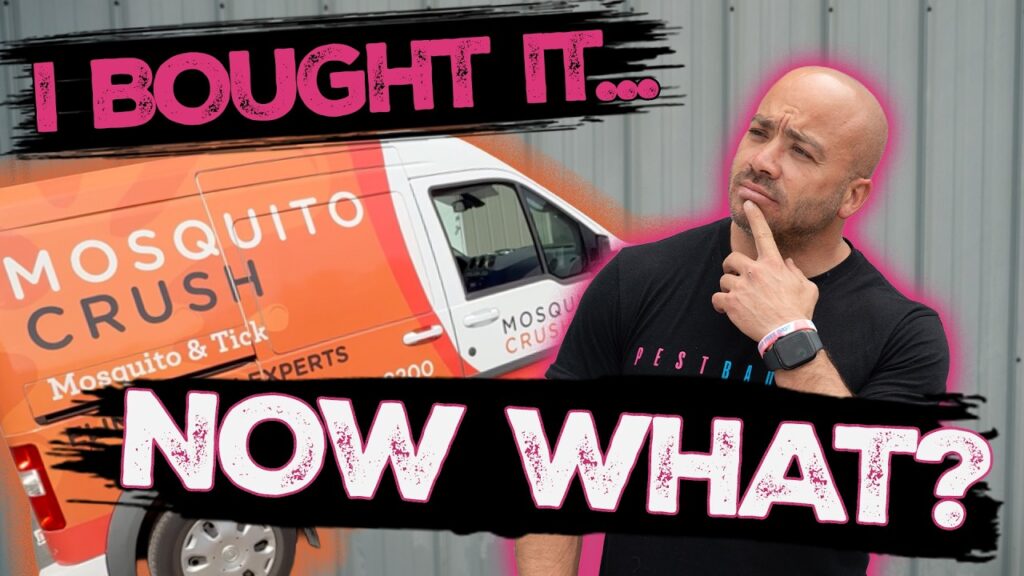
When I bought this company, it was doing about $300,000 a year with over 800 customers on the books. A year later, it was over a million in revenue.
Everyone sees that part and thinks that’s the story. Honestly, it’s not.
The real story is that within the first few months of taking over, literally every single person who worked for us was gone. Every technician. Every manager. Everyone. And honestly, I understand why. When we bought this company, we changed almost everything.
If you’ve ever bought a company, or even thought about buying one, this is what it looked like for us.
I’m Jonas Olson, the founder of Pest Badger. I’ve been in the service industry for over 17 years, and over the last five years we’ve grown from one location to over 20 locations across multiple states. I use this blog to document how I think about building service businesses and what’s actually working for us right now. I wish my mentors had documented their journey, so I’m documenting mine for you.
Today I want to walk through one of the acquisitions we made and what happened after the paperwork was signed. Buying the company wasn’t the hard part. What happened next was.
Table of Contents
ToggleThe Deal on Paper
The company we bought was doing right around $300,000 a year with over 800 customers. A couple technicians and a manager who was also a school teacher. She helped out during the busy summer season and came over with the company to give us a good start.
The first thing I’ll say is that these were really good people. They cared about their customers. They worked hard. It wasn’t a lazy team and it wasn’t a bad team.
The problem wasn’t effort. The problem was that the business had been operating the same way for years and nobody had ever been willing to challenge the model. Nobody was asking if there was a better way. The business had simply reached a ceiling.
Once we got inside, why became obvious. The owner we bought from had actually acquired the company from someone else before us. He also had another business on the side that was bigger than this one, and that’s a story for another time.
Why I Wasn't Nervous
A lot of people assume acquisitions are terrifying. There are always unknowns, but honestly we weren’t nervous. We had spent real time during due diligence looking at the numbers. We knew there were huge opportunities. And most importantly, we knew what the downside looked like.
My thinking on this is simple. Even if we lost half the customers and doubled the price on every customer who stayed, we’d still be in good shape. Same revenue. Fewer stops. Better routes. Way better margins. Overall a healthier business.
When you’ve already thought through the entire downside, it changes how you look at the opportunity. You’re not hoping it works. You’re executing a plan you’ve already run before.
The First Few Weeks Inside
The first thing we did after taking over wasn’t marketing. It wasn’t sales. It wasn’t recruiting.
I opened the books and started digging in. Talking to employees, talking to the manager, talking to the previous owner. How many stops per day. How the routes were built. What the CRM looked like. What customers were actually paying. How the service was delivered. How many customers were on a recurring program. What retention looked like. What marketing looked like.
The deeper I got, the more obvious it became that we were going to have to make massive changes. I’m not going to get into the exact pricing or program numbers here. But I can tell you the changes we knew we needed to make were going to affect almost everyone and everything. The employees. The customers. The scheduling. The way services were sold. The way the company operated day to day. All of it had to change.
Once we started making those changes, things started happening fast.
Losing the Team
Here’s the part most people don’t think about when they’re buying a company. They think about the customers, the revenue, the trucks, the equipment, the EBITDA. They don’t think about what happens when people who have done things the same way for years are suddenly asked to do them differently.
When we took over, the technicians came with us. The manager came with us. She stayed about two to four weeks. Then she was gone. A little while later, everyone else was gone. Within a few months, the entire original team had been turned over and replaced. Every single person.
And honestly, I don’t blame them.
Think about it from their side. They’ve been doing it the same way for years. Then we show up and start changing everything. Even when the changes are right for the business, that doesn’t make them easy for the people involved. People get comfortable. They get set in their ways. “This is the way we’ve always done it.” That’s human nature.
As the owner, you have to understand that. You need to communicate. You need to explain it. I sat everyone down for lunch. I went over everything. I laid out the vision and the changes we were going to make.
You can show people why you’re making the changes, but that doesn’t mean everyone is going to buy in. Sometimes they just won’t. That’s part of the game.
The Emotional Weight of an Acquisition
Another thing people don’t talk about enough is how emotional acquisitions can get.
Everyone on social media talks about multiples. EBITDA. Revenue. Very few people talk about walking into the shop and realizing everything feels different. The trucks are still there. The customers are still there. The building is still there. But the people running it are different. The culture is different. The routines are different. The way we operate is different.
At some point you realize you’re not managing a transition anymore. You’re building a brand new company inside the shell of a company that used to be there. Doing a turnaround on a business that’s been struggling for years is a strange feeling.
Losing the team wasn’t fun. It’s never fun. But it also wasn’t unexpected. We had talked through the possibility before the acquisition. Who we thought would stay. Who we didn’t think would stay. We knew some employees might leave. We knew some customers might leave. When you’re changing the entire brand, there’s going to be resistance every single time.
Planning matters here. A lot of acquisitions get into trouble because buyers assume everything will stay the same after closing. It just doesn’t. If you’ve bought a company before, you know exactly what I mean. Something always changes. Usually a lot of things.
Customers Left Too
The same thing happens on the customer side. When we started making changes, some customers left. That’s uncomfortable. You never want to see your customer book going backwards. Your brain immediately starts asking whether you’re making a huge mistake.
But we had planned for it, and we knew it was going to happen. So we came back to the same principle.
The goal in a turnaround isn’t to have the most customers. The goal is to build the best business possible with the customers you have. A customer who’s properly priced and properly serviced is worth way more than several customers who aren’t. A smaller customer base with healthier margins beats a huge customer base that’s barely profitable every single time.
We weren’t trying to win a customer count contest. We were restructuring the company. Sometimes those are two very different things.
From $300K to Over a Million
Within a year, the company had gone from $300,000 in revenue to over a million. Same market. Same shop. A few new trucks. Many of the same customers.
The business got healthier. The numbers improved. The customer experience improved. Everything moved in the right direction.
But if you only look at the revenue number, you’re missing the most important part of the story.
The Real Lesson
Buying a struggling company isn’t really about finding a good deal. Opportunities are everywhere. The hard part is making the changes and sticking with them when people push back.
The employees push back. The customers push back. Some threaten to walk. Some do walk. That’s when it gets really hard. You have to stay confident when things get uncomfortable. You have to make decisions that not everyone agrees with. That’s the job.
If you’re thinking about buying a company someday, go in understanding that. The opportunities will be obvious. The follow-through is where most people struggle.
This is Part 1 of the Mosquito Crush acquisition series. Part 2 tells the full story of the deal and the 90 days that uncovered $850K in recurring revenue. Part 3 breaks down how we raised prices from $50 to $129 per service.
